DiceFloor
Reporting from the casino floor at sea — careers, ports & play for cruise crew.


Home/Travel/Palma de Mallorca and Its Cathedral
Mediterranean · Travel

Palma de Mallorca and Its Cathedral

The capital of the Balearics, built around a vast seaside cathedral, with an old town to wander and a hot Saharan wind that changes the city every afternoon.
Palma de Mallorca and Its Cathedral

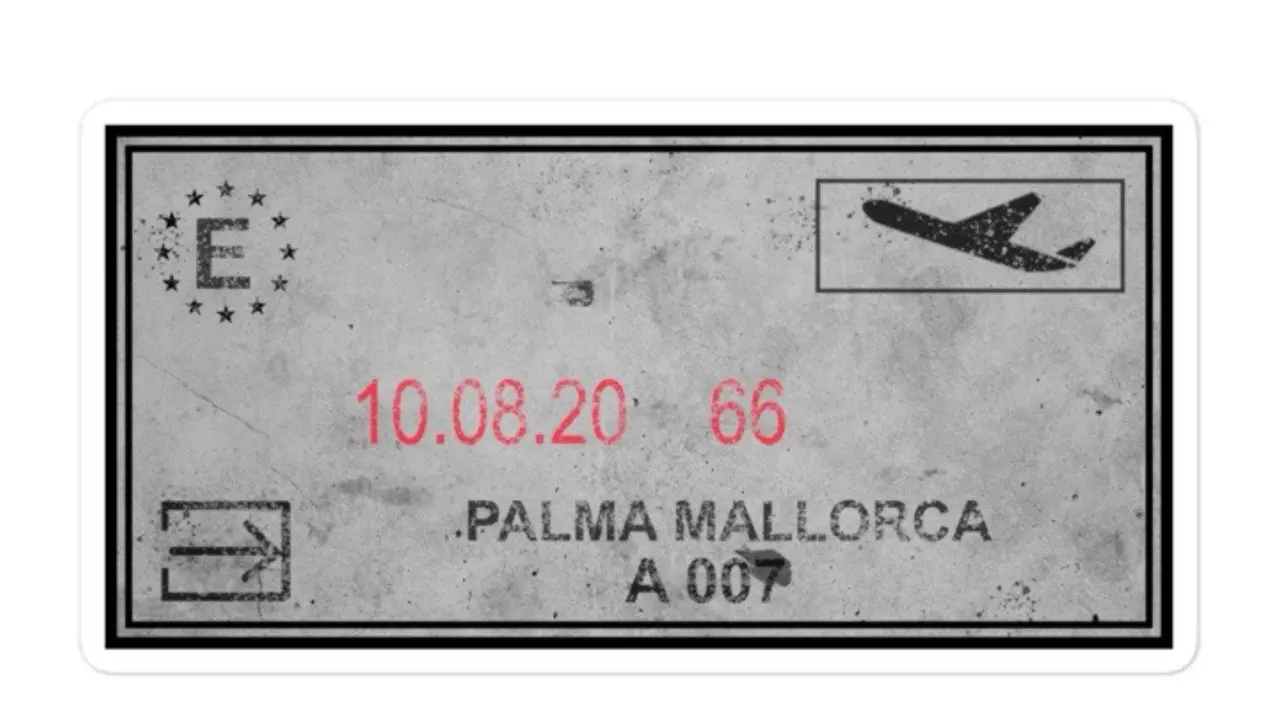
Palma de Mallorca sits somewhere between a busy tourist hub and an old Mediterranean capital with its dignity intact. It is on the southern coast of Mallorca, and the whole city more or less orients around its huge sandstone cathedral and the tangle of the historic center behind it. What you feel here is continuity, the Roman and Moorish and Christian layers of the island’s history still legible in the stone walls and the public squares.

The city is built for long days and lives close to the sea. Where a lot of ports leave you feeling rushed, Palma tends to give you room, the kind of stop where you can spend the morning among the big monuments, the afternoon parked in a shaded plaza, and the evening out along the water as the light turns.

Arriving from the port

One of the real advantages of reaching Palma from the water is how close the port sits to everything. You come off the ship more or less at the edge of the city.

The walk from the cruise terminal to the cathedral takes about thirty to forty minutes along a wide, flat promenade beside the harbor, past the yachts and sailing boats that keep berths here. If you would rather save your legs for the center, buses and taxis wait at the pier.

Palma is usually one of the longer stops on a Mediterranean run. Ships tend to arrive around 9:00 or 10:00 in the morning and stay until about 10:00 at night, and that long window matters, because it lets you see the city under two completely different lights, the bright bustle of the morning and the slower glow it settles into after dark.

The late afternoon wind

One genuine quirk of the climate here shows up in the late afternoon. Around 5:00 PM it is common to catch a hot, dry wind that has carried the heat of the Sahara straight across the Mediterranean.

That wind shifts the mood of the whole city. It marks the handover from the peak heat of the day to the start of the evening, and warm as it is, it is also a plain reminder of how close the island lies to the North African coast. For a lot of visitors it is the cue to find a shaded courtyard or a cold drink and watch the palm trees stir as the temperature suddenly breaks.

The old districts

The core of Palma is a maze, laid out centuries ago to keep the inside cool and defensible.

The Old Town, Casco Antiguo, spreads behind the cathedral and is mostly given over to pedestrians. It is known for its hidden patios and grand townhouses, where heavy wooden doors swing open onto shaded courtyards full of plants and stone arches. Wandering it without a map is one of the better ways to turn up the small boutiques and neighborhood bakeries that give the city its texture.

Santa Catalina used to be a fishing village and is now one of the most popular quarters for eating and going out. It turns around a busy indoor market of fresh produce and tapas stalls, and the streets around it, lined with low buildings and every kind of restaurant, carry a more modern, bohemian feel than the historic core.

La Lonja, a small district near the waterfront, takes its name from the fifteenth century maritime trade exchange that stands there. It is a dense knot of narrow alleys that wakes up in the evening. The architecture is beautifully preserved, and the lanes fill with small bars and kitchens that stay busy well into the night.

The landmarks

La Seu, the Palma Cathedral, is the building everyone knows, the most iconic in the Balearics. It stands on a low cliff above the harbor, and its sheer size lands from any angle. Inside is one of the largest rose windows of any Gothic cathedral, along with the alterations Antoni Gaudí made in the early twentieth century and a later side chapel reworked in raw, cracked ceramic by the artist Miquel Barceló. Because of the way the building faces, the light through it changes hour by hour, at its best in the morning. Twice a year, in early February and early November, the sun lines up so that the great rose window is projected onto the wall just beneath the opposite one, and people crowd in before dawn to watch it happen.

Right next door is the Royal Palace of La Almudaina, which began as a Moorish fortress before it was turned into a residence for the Mallorcan monarchs. It is counted among the oldest royal residences in Europe still in use, and the Spanish royal family keeps it for official ceremonies to this day. Between the gardens and the mix of Islamic and Gothic building styles, it lays out the island’s tangled history in one place.

A little way out, about three kilometers west of the center, Bellver Castle sits on its hill, one of the very few circular castles in Europe. It went up in the fourteenth century for King James II of Mallorca and spent long stretches afterward as a prison. It gives the fullest view there is of the Bay of Palma and the mountains of the Serra de Tramuntana behind. The climb is steep, but a local bus or taxi will carry you up if you would rather not walk it.

Es Baluard, the contemporary art museum, is built right into the old city walls. It holds a strong collection of modern and contemporary work, weighted toward artists from around the Mediterranean, and its terraces are open to anyone, with good views over the harbor and the cathedral for a quiet pause.

A few practical things

Mallorca is very safe and used to visitors. The local language is Catalan, in the Mallorquí dialect, but Spanish and English are spoken almost everywhere in the city.

The city walks well, though the cobbles in the old town can be uneven, so wear comfortable shoes. Given the long port stay, plan a midday break to sit out the worst of the heat, ideally before that hot Sahara wind comes through in the late afternoon. If you want sand rather than stone, the beaches are an easy bus ride out, Cala Major to the west and the long stretch of Platja de Palma to the east, both within reach and back inside the port window.

The currency is the Euro. Prices track other big Spanish cities, though anything right in front of the cathedral or on the main squares will cost you extra. For something more honest and cheaper, look for the small cellers, the traditional restaurants tucked into the backstreets of the old town.

Palma feels settled and comfortable in itself. It does not hurry you, and the generous port hours let you fall into the local rhythm. From the morning light on the sandstone of the cathedral to the desert wind of the afternoon, the city hands you a full Mediterranean day rather than a rushed few hours.

The cathedral was built to be seen from the sea. Arrive by ship and you are looking at the city exactly the way it was meant to be seen hundreds of years ago.
s
Staff Writer

Reporting from the casino floor at sea — careers, contracts, ports and play for cruise-ship casino crew.

About DiceFloor →
Related Articles
View all →
May 7 · 6 min

Key West, One Day Done Right

The end of the road at the bottom of the Florida Keys, where the wooden houses and the slow subtropical pace make it feel unlike anywhere else in the state.

May 5 · 6 min

Which Hawaii Island Deserves Your Time

A guide to the Hawaiian islands, from the live volcanoes of the Big Island to the sea cliffs of Kauai, and how to decide which one is worth your time.

May 4 · 6 min

Copenhagen Without Regret

Copenhagen keeps topping the liveability rankings, and a day among its bikes and canals shows you why.

Palma de Mallorca and Its Cathedral
Mediterranean · Travel

Palma de Mallorca and Its Cathedral

The capital of the Balearics, built around a vast seaside cathedral, with an old town to wander and a hot Saharan wind that changes the city every afternoon.

Palma de Mallorca sits somewhere between a busy tourist hub and an old Mediterranean capital with its dignity intact. It is on the southern coast of Mallorca, and the whole city more or less orients around its huge sandstone cathedral and the tangle of the historic center behind it. What you feel here is continuity, the Roman and Moorish and Christian layers of the island’s history still legible in the stone walls and the public squares.

The city is built for long days and lives close to the sea. Where a lot of ports leave you feeling rushed, Palma tends to give you room, the kind of stop where you can spend the morning among the big monuments, the afternoon parked in a shaded plaza, and the evening out along the water as the light turns.

Arriving from the port

One of the real advantages of reaching Palma from the water is how close the port sits to everything. You come off the ship more or less at the edge of the city.

The walk from the cruise terminal to the cathedral takes about thirty to forty minutes along a wide, flat promenade beside the harbor, past the yachts and sailing boats that keep berths here. If you would rather save your legs for the center, buses and taxis wait at the pier.

Palma is usually one of the longer stops on a Mediterranean run. Ships tend to arrive around 9:00 or 10:00 in the morning and stay until about 10:00 at night, and that long window matters, because it lets you see the city under two completely different lights, the bright bustle of the morning and the slower glow it settles into after dark.

The late afternoon wind

One genuine quirk of the climate here shows up in the late afternoon. Around 5:00 PM it is common to catch a hot, dry wind that has carried the heat of the Sahara straight across the Mediterranean.

That wind shifts the mood of the whole city. It marks the handover from the peak heat of the day to the start of the evening, and warm as it is, it is also a plain reminder of how close the island lies to the North African coast. For a lot of visitors it is the cue to find a shaded courtyard or a cold drink and watch the palm trees stir as the temperature suddenly breaks.

The old districts

The core of Palma is a maze, laid out centuries ago to keep the inside cool and defensible.

The Old Town, Casco Antiguo, spreads behind the cathedral and is mostly given over to pedestrians. It is known for its hidden patios and grand townhouses, where heavy wooden doors swing open onto shaded courtyards full of plants and stone arches. Wandering it without a map is one of the better ways to turn up the small boutiques and neighborhood bakeries that give the city its texture.

Santa Catalina used to be a fishing village and is now one of the most popular quarters for eating and going out. It turns around a busy indoor market of fresh produce and tapas stalls, and the streets around it, lined with low buildings and every kind of restaurant, carry a more modern, bohemian feel than the historic core.

La Lonja, a small district near the waterfront, takes its name from the fifteenth century maritime trade exchange that stands there. It is a dense knot of narrow alleys that wakes up in the evening. The architecture is beautifully preserved, and the lanes fill with small bars and kitchens that stay busy well into the night.

The landmarks

La Seu, the Palma Cathedral, is the building everyone knows, the most iconic in the Balearics. It stands on a low cliff above the harbor, and its sheer size lands from any angle. Inside is one of the largest rose windows of any Gothic cathedral, along with the alterations Antoni Gaudí made in the early twentieth century and a later side chapel reworked in raw, cracked ceramic by the artist Miquel Barceló. Because of the way the building faces, the light through it changes hour by hour, at its best in the morning. Twice a year, in early February and early November, the sun lines up so that the great rose window is projected onto the wall just beneath the opposite one, and people crowd in before dawn to watch it happen.

Right next door is the Royal Palace of La Almudaina, which began as a Moorish fortress before it was turned into a residence for the Mallorcan monarchs. It is counted among the oldest royal residences in Europe still in use, and the Spanish royal family keeps it for official ceremonies to this day. Between the gardens and the mix of Islamic and Gothic building styles, it lays out the island’s tangled history in one place.

A little way out, about three kilometers west of the center, Bellver Castle sits on its hill, one of the very few circular castles in Europe. It went up in the fourteenth century for King James II of Mallorca and spent long stretches afterward as a prison. It gives the fullest view there is of the Bay of Palma and the mountains of the Serra de Tramuntana behind. The climb is steep, but a local bus or taxi will carry you up if you would rather not walk it.

Es Baluard, the contemporary art museum, is built right into the old city walls. It holds a strong collection of modern and contemporary work, weighted toward artists from around the Mediterranean, and its terraces are open to anyone, with good views over the harbor and the cathedral for a quiet pause.

A few practical things

Mallorca is very safe and used to visitors. The local language is Catalan, in the Mallorquí dialect, but Spanish and English are spoken almost everywhere in the city.

The city walks well, though the cobbles in the old town can be uneven, so wear comfortable shoes. Given the long port stay, plan a midday break to sit out the worst of the heat, ideally before that hot Sahara wind comes through in the late afternoon. If you want sand rather than stone, the beaches are an easy bus ride out, Cala Major to the west and the long stretch of Platja de Palma to the east, both within reach and back inside the port window.

The currency is the Euro. Prices track other big Spanish cities, though anything right in front of the cathedral or on the main squares will cost you extra. For something more honest and cheaper, look for the small cellers, the traditional restaurants tucked into the backstreets of the old town.

Palma feels settled and comfortable in itself. It does not hurry you, and the generous port hours let you fall into the local rhythm. From the morning light on the sandstone of the cathedral to the desert wind of the afternoon, the city hands you a full Mediterranean day rather than a rushed few hours.

The cathedral was built to be seen from the sea. Arrive by ship and you are looking at the city exactly the way it was meant to be seen hundreds of years ago.
s
Staff Writer

Reporting from the casino floor at sea — for cruise-ship casino crew.

About DiceFloor →
More in Travel