Ajaccio, Napoleon’s Birthplace
The capital of Corsica and the town where Napoleon was born, all pastel houses and open squares, with a rough island character that never quite feels like mainland France.
Ajaccio carries a very particular kind of pride. As the largest town on Corsica, it is the administrative and cultural center of a region that has always held onto a strong, independent identity of its own. It sits on the northern shore of a striking natural gulf, with high mountains behind it that stay snow capped well into spring. What a visitor gets is a blend of classic French Mediterranean polish and a rougher, more provincial island feel.
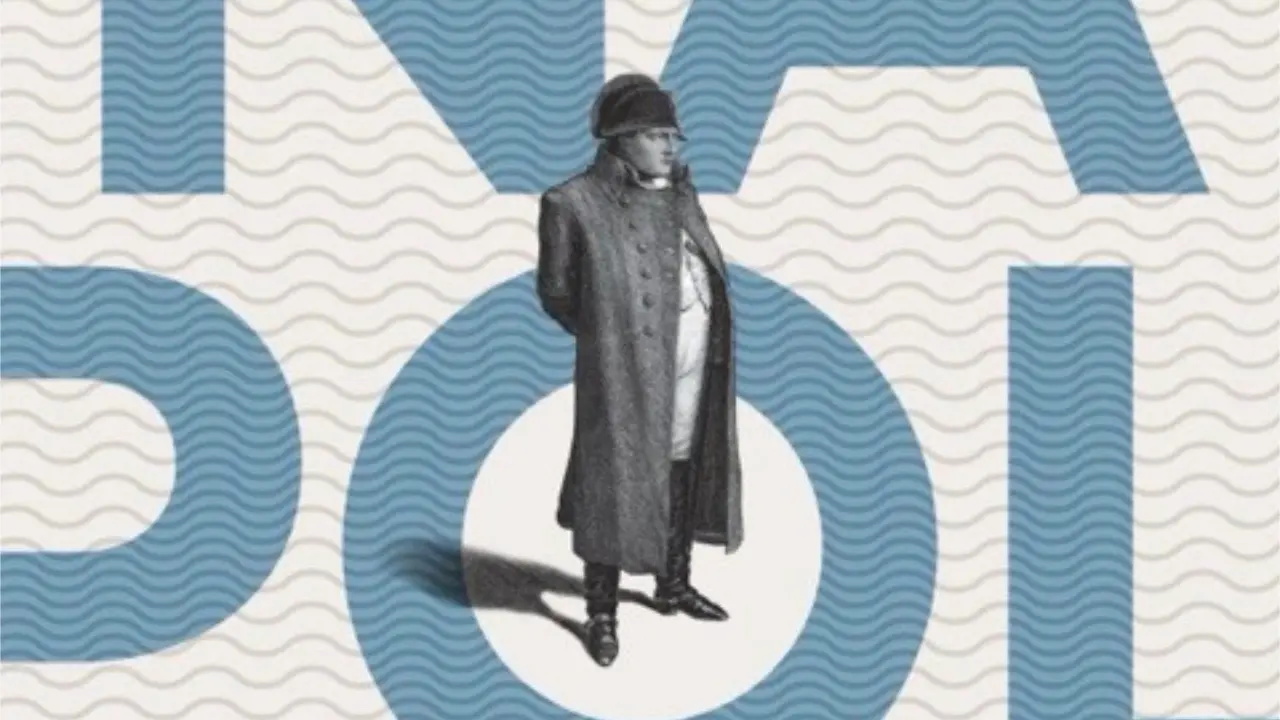
The city is modern and works well, but it is soaked in the history of the Bonaparte family. Napoleon was born here in 1769, only a year after Genoa handed Corsica to France, which is the small accident of timing that made the island’s most famous son a Frenchman rather than a Genoese subject. Ajaccio has more or less become a living monument to him since. Even so, you do not need any interest in imperial history to enjoy the place, not with its busy markets and clean beaches, and an old center that has kept its looks.
Arriving by tender
Coming to Ajaccio by sea often means a specific bit of maritime routine. The port has limited space for smaller vessels, so the larger ships usually anchor out in the middle of the gulf and everyone rides in to shore on tender boats.
The tender run here is short, generally ten to fifteen minutes. The boats set you down at the Quai de l’Annonciade, right at the edge of the old town, which could hardly be more convenient. You step off and you are already looking at the colored buildings of the historic quarter and the main market. As at any tender port, build the transit time into your plan for getting back to the ship.
Getting around
Ajaccio is compact and unusually easy to see on foot, with most of the main sights inside a short radius of the harbor.
The historic core is a mix of narrow streets and wide open plazas, and walking is the way to feel the shift from the busy waterfront to the quieter residential lanes. The coast is mostly flat, with gentle climbs as you move up toward the districts in the hills.
If you want the coastline beyond the center, the local buses are reliable. Line five is the one visitors take, running along the scenic coast road toward the Sanguinaires Islands. Taxis wait near the port and the main squares too, useful for a museum or viewpoint further out, though you will rarely need one for the old town itself.
The Napoleon trail
You cannot spend a day in Ajaccio without running into Napoleon Bonaparte. The city is proud of its most famous son, and a handful of sites let you follow his early life.
The Maison Bonaparte, on a quiet street in the old town, was the family’s ancestral home and the house where Napoleon was born. It is a national museum now, kept with original furniture, paintings, and documents, and it gives a surprisingly intimate view of the family before they climbed to the top of Europe.
At the end of the Cours Grandval stands the Place d’Austerlitz, a large monument to Napoleon on the site of the Grotte Napoléon, where the young Bonaparte is said to have spent time reading and thinking. A grand staircase and a big bronze statue make it a quiet spot to pause at the edge of the center.
The Fesch Museum was founded by Napoleon’s uncle, Cardinal Fesch, and holds one of the most important collections of Italian painting in France, second only to the Louvre. The same building contains the Imperial Chapel, where a number of the Bonaparte family are buried.
The city districts
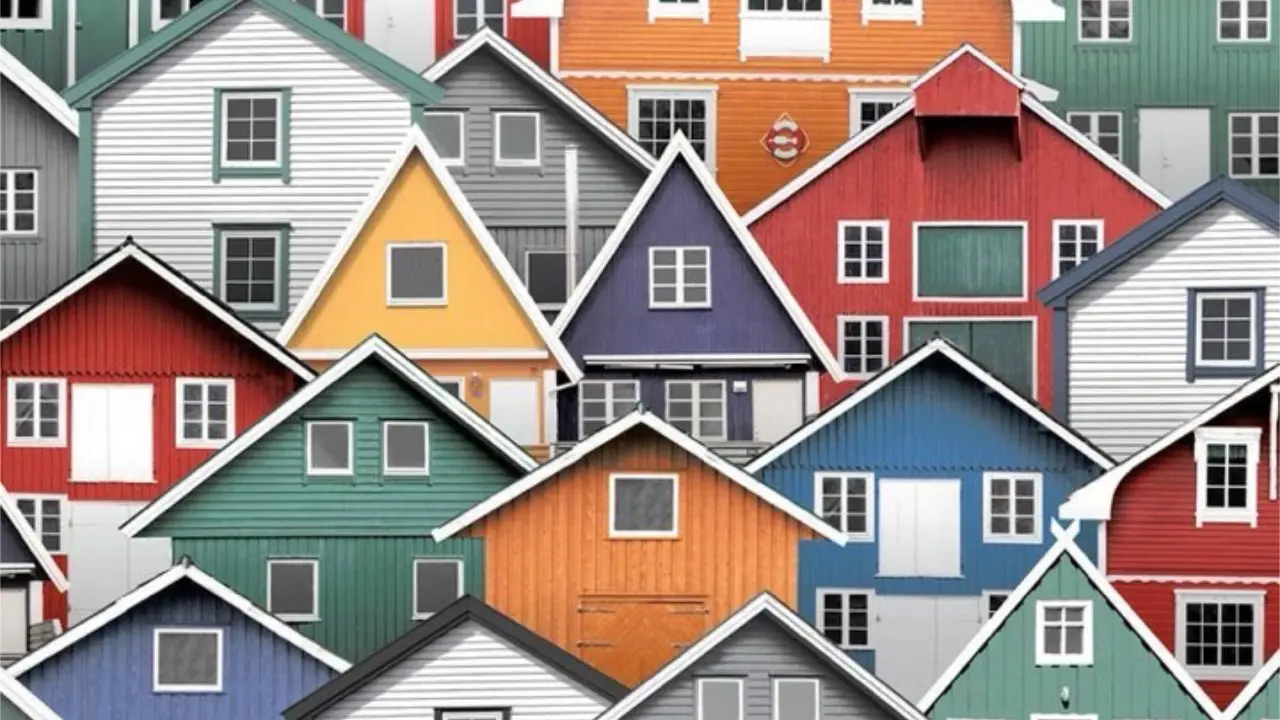
The Old Town, the Vieille Ville, is the most atmospheric part of Ajaccio, a maze of tall pastel houses with green shutters, plenty of them centuries old. The streets are narrow by design, meant to hold the cool through the summer heat. This is where you find the Ajaccio Cathedral, where Napoleon was baptized, a bright orange building that stands out hard against the blue of the Mediterranean.
Just across from the harbor is Place Foch, the social hub of the city, shaded by palms and centered on a marble statue of Napoleon dressed as a Roman consul. In the mornings the square and the streets off it fill with a market selling Corsican specialties, chestnut flour, cured meats, the island’s sheep and goat cheeses.
Running back from the water is the Cours Napoléon, the main commercial spine, a long straight boulevard of modern shops and old cafes below heavy administrative buildings. It is the best place to watch the city’s residents go about an ordinary day between the modern and historic halves of the capital.
Nature and the coast
Out at the western tip of the Gulf of Ajaccio lie the Sanguinaires Islands, a little archipelago of four, known for their dark reddish rock and their status as a protected nature reserve. The name means the bloody islands, after the color the rock takes at dusk, and the point is a favorite place to watch the sun go down. You can take a boat out to them, but plenty of people just head for the Pointe de la Parata on the mainland instead, walking out to an old Genoese watchtower for a wide view of the islands and the open sea beyond.
One of the real luxuries of Ajaccio is a good beach within walking distance of the center. Saint Francois Beach lies just under the old citadel walls, a narrow but lovely strip of sand with clear water and a fine view of the bay, an easy place for a quick swim before or after the historic sites.
A few practical things
The climate is the usual Mediterranean, hot and dry in summer, mild in winter. The sun can be strong, especially at midday, so sun protection and water matter.
Corsica is part of France, so the currency is the Euro and the main language is French. You will also see plenty of signs in Corsican, a language close to Italian. English is understood in the main tourist spots and the museums, but a few words of French always go over well with locals.
Corsican food is its own thing, not mainland French, and it leans heavily on the mountainous interior. Look for wild boar, local honey, and brocciu, a fresh cheese made from sheep or goat milk. The island’s wines are very good and rarely turn up anywhere off Corsica.
Ajaccio feels grand and intimate at the same time. It handles its imperial history with a kind of easy confidence that lets it stay a working, pleasant Mediterranean capital rather than a museum piece. Whether your day is the rooms of the Bonaparte house or a tender boat back to the ship as the sun drops over the gulf, the city leaves you with a real feel for the character of Corsica.
Napoleon once said he could recognize Corsica with his eyes shut, just by the smell of its plants. In Ajaccio, that scent of wild herbs and sea air is still exactly as he described it.