Madeira, the Atlantic’s Most Overlooked Island
A volcanic island in the middle of the Atlantic, with steep green mountains behind it and the surprisingly polished capital of Funchal down on its coast.
Madeira sits out in the Atlantic, roughly a thousand kilometers southwest of mainland Portugal and about six hundred from the African coast. On paper that is the middle of the ocean, yet it does not feel cut off when you land. The island is green and steep and unmistakably European in the way Portuguese places tend to be, comfortable and well run, carrying the particular ease of somewhere people have lived on and shaped for centuries without ever rushing to modernize every last corner.
Portuguese sailors reached it in the early fifteenth century, and it soon became an important stop for ships crossing between Europe, Africa, and the Americas. That trading past still shows, in the architecture and in the wild mix of plant life that covers the slopes. For a visitor it works as a quiet reset, the sort of place where you can let a whole day go by without urgency and still feel the time was well spent.
Funchal, and the shape of it
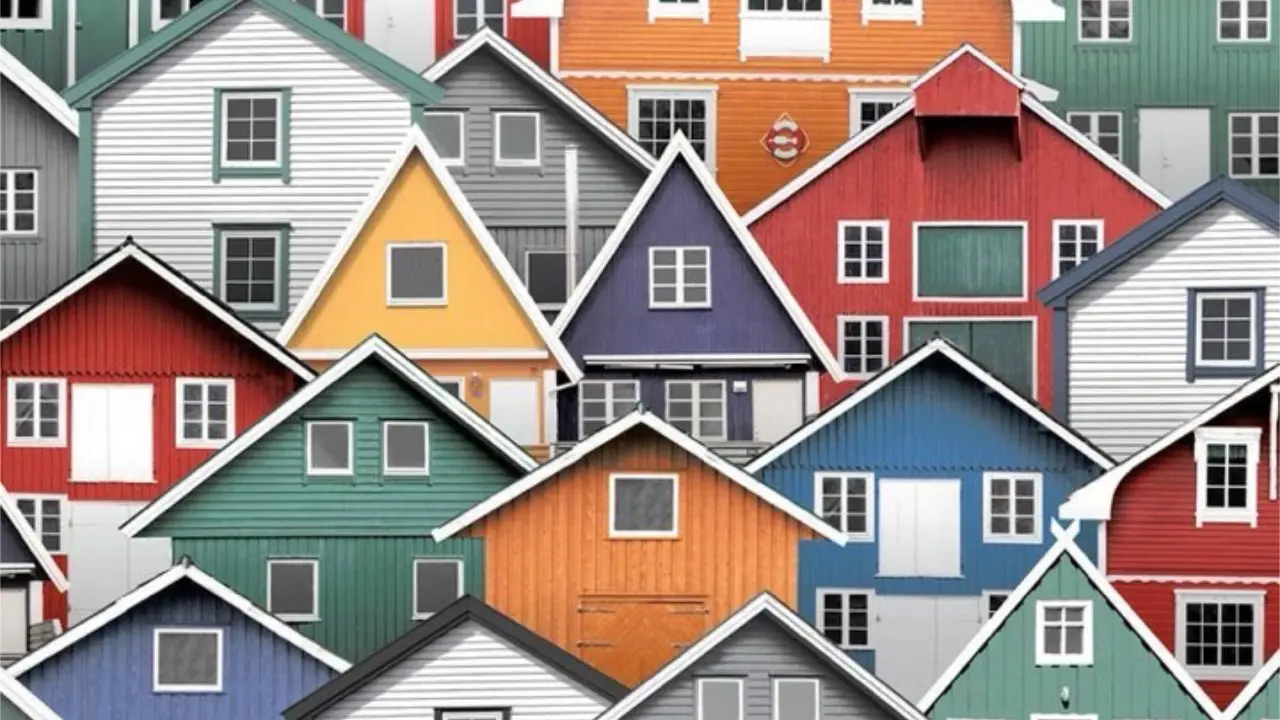
Funchal is the capital and where most people arrive. The city is built into a natural amphitheater, harbor at the bottom and houses climbing hard up the hills around it. That verticality is the thing you notice first, and it means a good view from almost any point above the water.
The center clusters around the waterfront and the old Sé district, where the streets are laid in traditional Portuguese calçada, black and white stones set into intricate patterns underfoot. Head inland and the ground tilts up fast. It pays to read the steepness before you set out, because a walk that looks short on the map can turn into a serious climb on the ground.
Getting around
Madeira is a well developed island with modern infrastructure, so even a single day is enough to see a fair amount.
Central Funchal, down in the lower town, is easy on foot. The main historic sites, the markets, the shops all fall within a small radius. Once you aim for the higher parishes like Monte, though, walking stops being sensible for most people. The incline is simply too much.
For anything further out, the local buses are reliable and reach most of the island, and taxis are plentiful and run on regulated meters. If you want to get past the city to the natural sights, hiring a taxi for a half or full day is the common, efficient way to do it.
The most memorable way to move, though, is the cable car. The main line lifts you from the seafront up to Monte in about ten smooth minutes, sparing you a punishing climb and handing over a wide view of the harbor and the red roofs on the way up.
The districts of Funchal
To get a feel for Madeira, spend a little time in a few different parts of the capital.
The Old Town, Zona Velha, is the oldest corner of Funchal, going back to the first settlements. It has been reinvented lately through the Painted Doors project, in which local artists turned the doors of old buildings into paintings, and the narrow cobbled lanes are now full of small restaurants and galleries.
The Sé district in the center is anchored by the Funchal Cathedral, worth going in for the ceiling alone, made of local cedar and ivory. Around it, old fashioned shops sit next to modern cafes, and it is the best place to just watch the city go about its day.
High above all of it is Monte, which feels like another island entirely. The air is cooler up here and the greenery even heavier. It holds the Monte Palace Tropical Garden and the Church of Our Lady of Monte, and it was long a retreat for the wealthy, whose grand old estates, the quintas, still stand scattered through the hills.
What to see
The Mercado dos Lavradores, the farmers market, is one of the liveliest spots in town. It occupies a 1940 building that mixes Art Deco and Modernist lines, and inside is a wall of local fruit and flowers, with a fish market tucked at the back. Worth knowing before you go: it shuts on Sundays and closes early on Saturdays, so a weekday visit is the safe bet.
Madeira wine has its own worldwide reputation, made by a process that deliberately heats and oxidizes it, and Blandy’s Wine Lodge is where you can get close to it. The firm has run in the same family for seven generations, and the tour of its old lodge in the center of Funchal walks you through the history of the trade and past the ancient barrels where the wine ages for decades.
For a break from the streets, the Monastery of Santa Clara is a fifteenth century convent and national monument, quiet behind its walls, with hand painted tiles and a peaceful cloister. It opens a window onto the island’s religious past and the nuns who lived there for hundreds of years.
The things you can only do here
The best known activity on the island is the Monte toboggan. From the foot of the church steps at Monte, two men in white uniforms and straw hats steer a wicker sledge down the steep public streets on wooden runners, braking with the rubber soles of their boots. It started in the nineteenth century as an actual means of getting Monte residents down the hill, and somehow it survived as the strangest commute you will ever pay for.
Given the subtropical climate, almost anything grows here, and the Madeira Botanical Garden gathers thousands of plant species from around the world across a run of terraces, with some of the finest views back over Funchal. You reach it on a second cable car from Monte or by bus from the center.
A short drive west of the city brings you to Cabo Girão, one of the highest sea cliffs in Europe. A glass skywalk juts out at the top, so you can look straight down at the little patches of farmland worked at the base, five hundred and eighty meters below. There is a small entry fee for anyone over twelve.
The coast and the mountains
Madeira is volcanic, so its natural beaches come in black sand or dark pebbles, which throws a sharp contrast against the deep blue of the Atlantic.
In a lot of places along the shore the lava rock has formed natural basins that fill and empty with the tide. The most famous are at Porto Moniz on the north coast, though there are good seawater pools in Funchal and at Ribeira Brava too. They let you swim in the ocean without taking on the full force of the Atlantic currents.
The interior is laced with levadas, irrigation channels built over centuries to carry water from the wet north across to the drier south. The maintenance paths beside them have become one of the great hiking networks anywhere, from flat easy strolls to hard mountain treks, threading through the ancient laurel forest that is protected as a UNESCO World Heritage site.
A few practical things
Madeira’s climate gets called eternal spring, but it is very local. It can be sunny in Funchal while the mountains sit under thick fog, so if you are heading into the interior or up to the north coast, pack a light waterproof.
The currency is the Euro, and English is widely spoken in the tourist parts of Funchal. The island is very safe, though normal travel sense never hurts. Prices run lower than in the big northern European cities, which makes eating out and buying local products fairly easy on the wallet.
Do not leave without eating properly. Beyond the wine, the island is known for espada, the black scabbard fish, often served with banana, and for espetada, beef grilled on laurel skewers. The local bread, bolo do caco, turns up almost everywhere, served warm with garlic butter.
Madeira gives you a lot of comfort, the kind you feel in your eyes and in your legs both. It is a place sure of what it is. Whether your afternoon ends with a wicker sledge down a hillside or a glass of wine in an old cellar, the island leaves you with a sense of continuity and calm that is hard to find now.
Madeira stays with you long after you leave, a place where the mountains meet the sea in a way that makes the rest of the world feel very far off.