DiceFloor
Reporting from the casino floor at sea — careers, ports & play for cruise crew.


Home/Career Skills/Reading the Table Before You Deal a Card
Floor Craft · Career Skills

Reading the Table Before You Deal a Card

The thirty seconds before your first hand tell you more about the next hour than anything else on the floor.

Reading the Table Before You Deal a Card

(Placeholder article — to be replaced.)

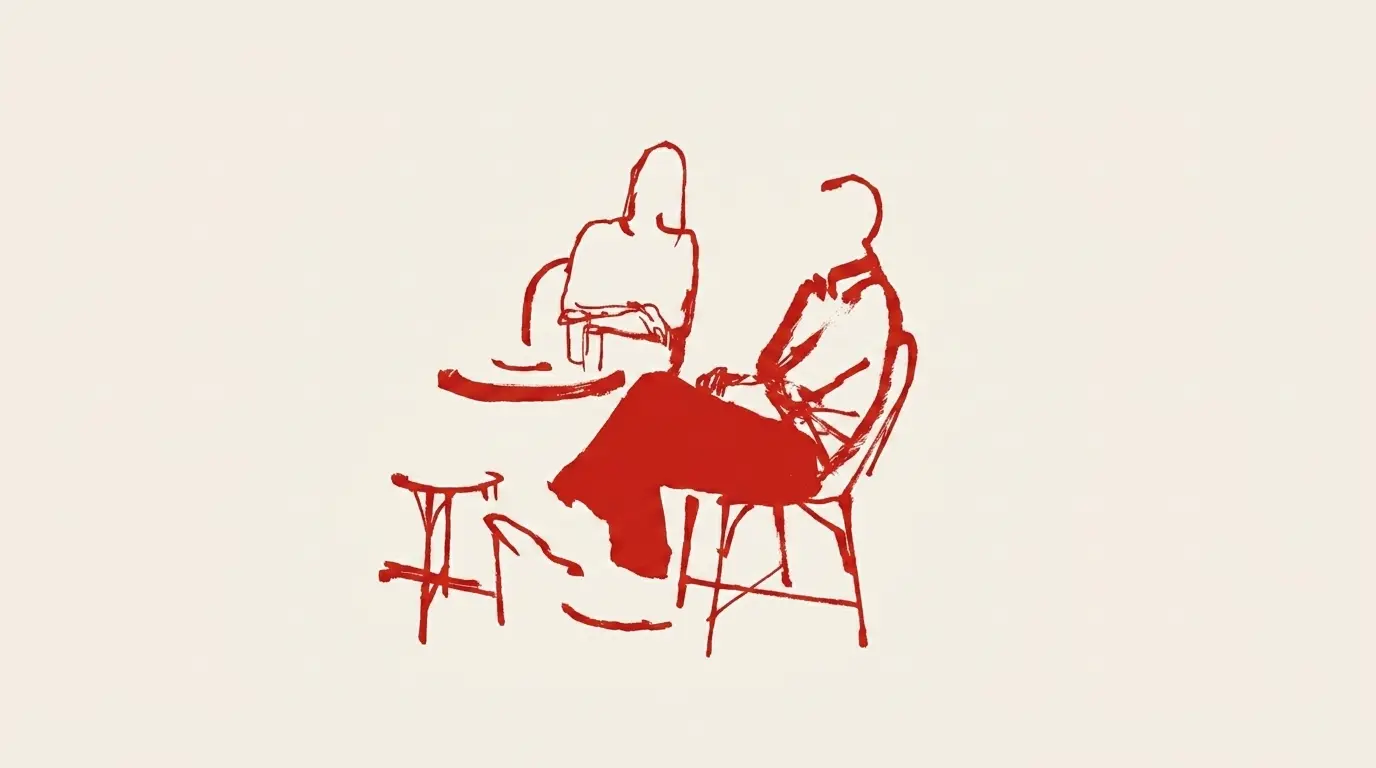
A table has a mood before you ever touch the shoe. Who is sitting where, who is drinking what, which player has the big stack and how they got it — all of that is on display in the thirty seconds it takes you to tap in and count the float. Dealers who use those seconds have easier shifts than dealers who don’t.

The stack tells a story. A player up big on a small buy-in plays differently from a player who bought in big and is grinding even. One will forgive a mistake; the other will call the pit over a misread hand signal. Knowing which one you have in seat five before it matters is the whole trick.

The same goes for the table’s social weather. Two players talking across the layout means slow hands and repeated announcements. A silent table means the game moves fast and every procedure error is visible. Neither is better — but each asks for a different rhythm from you, and picking the wrong one is how a quiet shift turns loud.

None of this is mysterious, and none of it is taught in dealer school. It accumulates. The point of this article is only to say: it accumulates faster when you look for it on purpose.
s
Staff Writer

Reporting from the casino floor at sea — careers, contracts, ports and play for cruise-ship casino crew.

About DiceFloor →
Related Articles
View all →
Reading the Table Before You Deal a Card
Floor Craft · Career Skills

Reading the Table Before You Deal a Card

The thirty seconds before your first hand tell you more about the next hour than anything else on the floor.

(Placeholder article — to be replaced.)

A table has a mood before you ever touch the shoe. Who is sitting where, who is drinking what, which player has the big stack and how they got it — all of that is on display in the thirty seconds it takes you to tap in and count the float. Dealers who use those seconds have easier shifts than dealers who don’t.

The stack tells a story. A player up big on a small buy-in plays differently from a player who bought in big and is grinding even. One will forgive a mistake; the other will call the pit over a misread hand signal. Knowing which one you have in seat five before it matters is the whole trick.

The same goes for the table’s social weather. Two players talking across the layout means slow hands and repeated announcements. A silent table means the game moves fast and every procedure error is visible. Neither is better — but each asks for a different rhythm from you, and picking the wrong one is how a quiet shift turns loud.

None of this is mysterious, and none of it is taught in dealer school. It accumulates. The point of this article is only to say: it accumulates faster when you look for it on purpose.

s
Staff Writer

Reporting from the casino floor at sea — for cruise-ship casino crew.

About DiceFloor →
More in Career Skills